Marrakech
Most runners never see how they run.
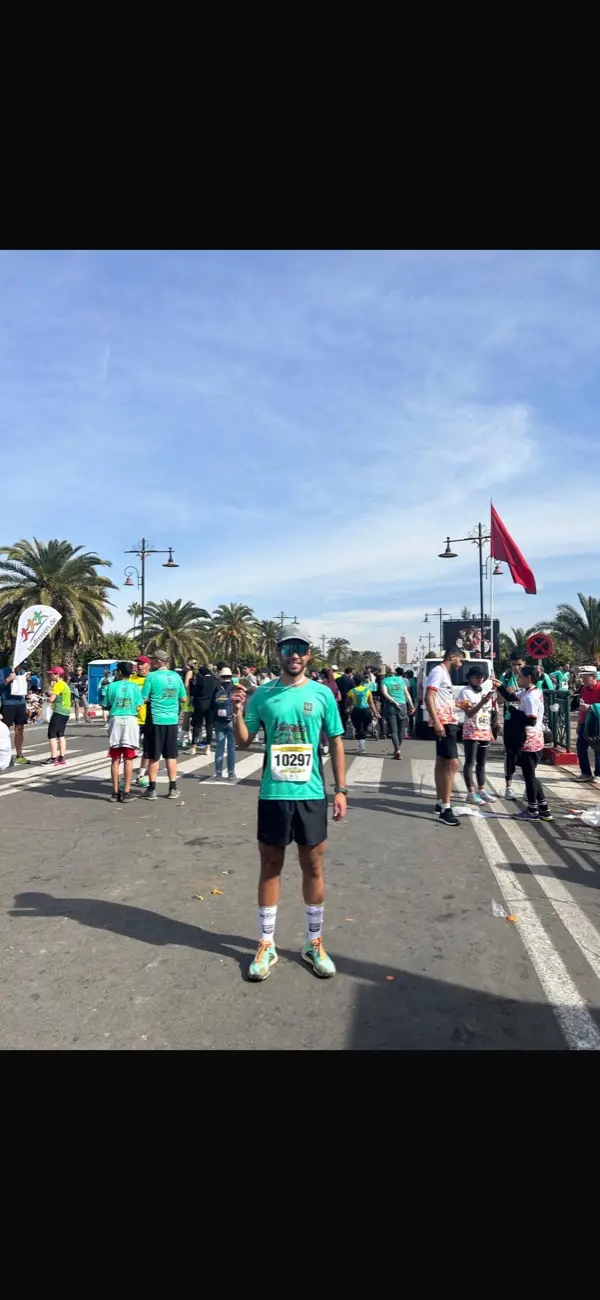
StrideOptics started in a place where running is everywhere, but movement feedback still feels far away. I grew up in Marrakech around endurance sport, watching runners measure effort without seeing the machinery behind it.
My father ran the first Marrakech Marathon and kept returning to the start line every year.
The engineering
From computer vision to a working prototype.
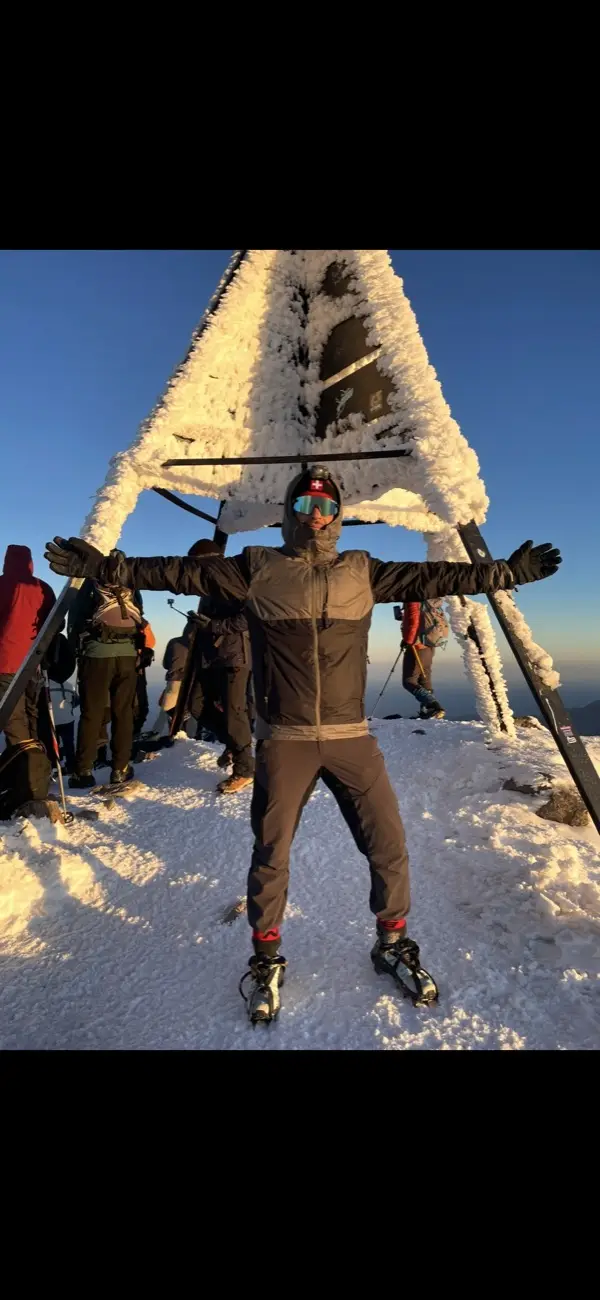
My engineering school assigns majors after two intensive years of mathematics and physics. I landed in cybersecurity, while the machine-learning path I wanted sat outside my assigned curriculum. So I learned it independently.
I built StrideOptics to bring video processing, pose estimation, body segmentation, and experimental 3D reconstruction into one workflow. The sample report keeps the outputs visible so tracking errors and measurement limits can be reviewed.
The next step is to test accuracy and repeatability in a biomechanics lab, then build a consistent workflow for comparing repeated recordings.
Endurance
I tracked effort, not movement.
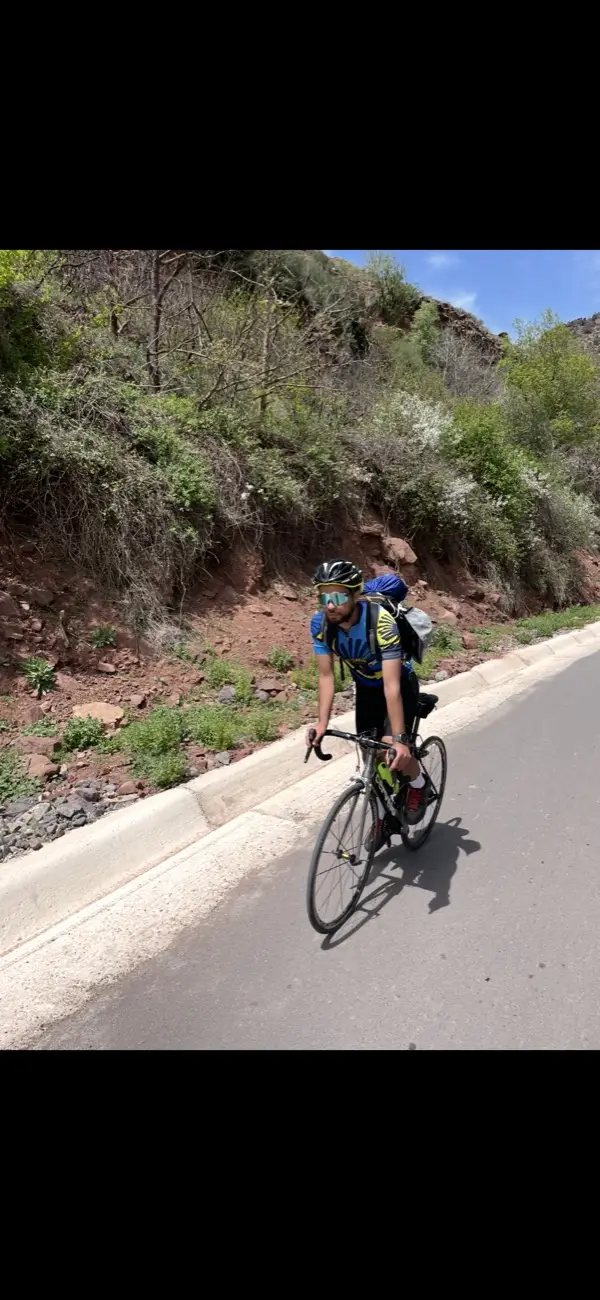
Running, cycling, mountain biking, and triathlon taught me effort. But they also showed me something strange: most athletes know their pace, heart rate, shoes, and mileage, yet almost nothing about how their body actually moves.
I wanted a clearer way to see that movement, ask better questions about it, and test whether the answers were reliable.
The opportunity
A camera can make movement visible at a new scale.
The long-term ambition is a software layer for understanding human movement from video, across sport, rehabilitation, and everyday activity. Running is the starting point, where movement estimates can be tested before expanding to other activities.
The research direction starts with kinematics, how the body moves, checked against marker-based motion capture. It then explores kinetics, the forces behind movement, using force plates as a reference. Phone capture and laboratory measurement serve different roles.
Why it matters
Built for runners who want to see how they move.
StrideOptics is an early movement-analysis prototype, not a medical diagnostic tool.
View Sample Analysis